

Services

Our Services

Trust the Experience

services 1

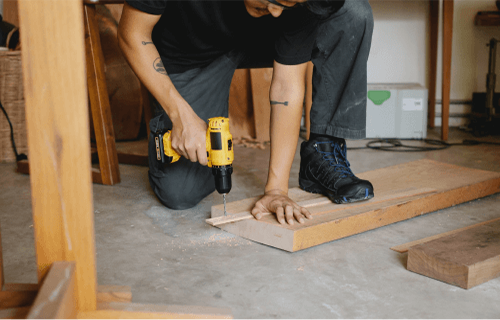
Roof Installations

Lorem ipsum dolor sit amet, consectetur adipiscing elit. Ut elit tellus, luctus nec ullamcorper mattis, pulvinar dapibus leo.
services 2

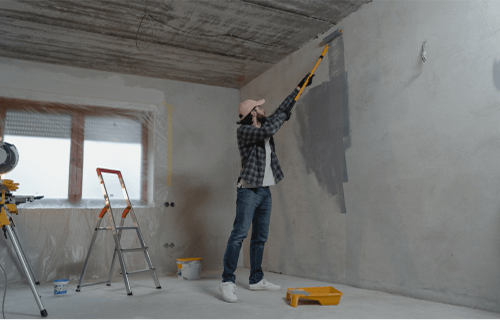
Roof Repair

Lorem ipsum dolor sit amet, consectetur adipiscing elit. Ut elit tellus, luctus nec ullamcorper mattis, pulvinar dapibus leo.
service 3

Leak Repair​

Lorem ipsum dolor sit amet, consectetur adipiscing elit. Ut elit tellus, luctus nec ullamcorper mattis, pulvinar dapibus leo.
metal roof

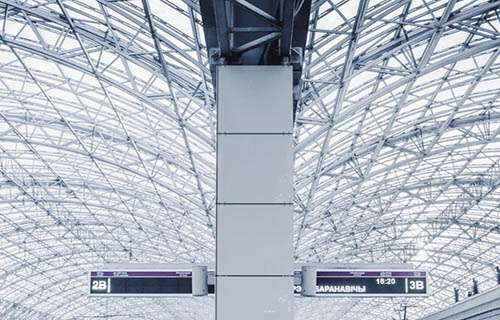
Roof Installations

Lorem ipsum dolor sit amet, consectetur adipiscing elit. Ut elit tellus, luctus nec ullamcorper mattis, pulvinar dapibus leo.
vegetative roof

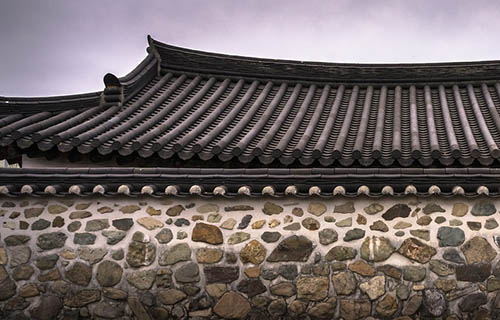
Vegetative Roofing​

Lorem ipsum dolor sit amet, consectetur adipiscing elit. Ut elit tellus, luctus nec ullamcorper mattis, pulvinar dapibus leo.
metal roof 1

Specialty Metal​

Lorem ipsum dolor sit amet, consectetur adipiscing elit. Ut elit tellus, luctus nec ullamcorper mattis, pulvinar dapibus leo.

Roof Inspection

Scheduling An Appointment

Lorem ipsum dolor sit amet, consectetur adipiscing elit. Ut elit tellus, luctus nec ullamcorper mattis, pulvinar dapibus leo.

.

Do Solar Panels Work in the Winter?
Solar panels continue to function during snowfall, as their dark, tilted surfaces absorb sunlight and generate heat, causing snow to slide off or melt. While heavy,,, covered snow temporarily reduces output, light dustings have minimal impact, and cold temperatures actually improve efficiency. Annual production losses from snow are typically low (1-12%). 
How Solar Panels Work with Snowfall
  • Efficiency in Cold: Solar PV cells perform better in colder conditions, often offsetting reduced winter daylight hours.
  • Self-Cleaning & Melting: The dark, slanted surface of panels absorbs sunlight, generating heat that melts snow. Snow also often slides off due to gravity.
  • Light Transmission: Light snow allows sunlight to filter through (diffuse light), allowing for some generation.
  • Albedo Effect: Snow on the ground reflects sunlight, which can increase the energy output of panels.
  • System Impact: While heavy, wet snow may block panels, it is often temporary. 
Maintenance and Service Tips
  • Safe Removal: If necessary, use a roof rake with a soft-bristled brush to remove snow, but generally, it is not required.
  • Tilt Angle: Steeper angles (greater than 30 degrees) help snow slide off more easily.
  • Professional Cleaning: Schedule, annual maintenance in the fall to ensure panels are clean and operating efficiently before winter.
  • Monitoring: Use apps provided with inverters to monitor performance, though some systems may show “0” output until snow clears.
  • Damage Check: After heavy,, snow, check for ice damming or structural stress on the mount.

    Introduction

    As solar panels gain popularity worldwide for being a clean and reliable source of renewable energy, one question still arises. Do solar panels work during winters? While the common belief is that since solar panels run on solar energy (and thereby heat), cold and cloudy months are bound to reduce their efficiency, the reality is a lot more promising.  

    Solar panels rely on sunlight, not heat, to generate electricity. In fact, cooler temperatures can sometimes enhance their performance.  

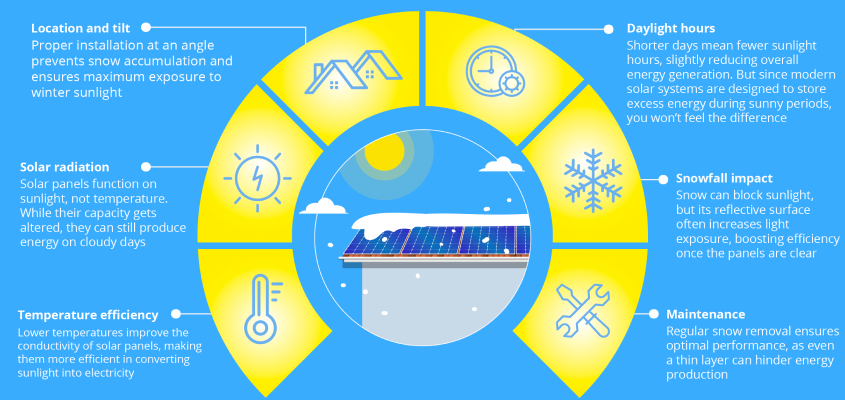
    If you’re looking for a comprehensive and fun understanding on the functioning of solar panels, here’s everything you need to know under 5 minutes: 
  •  
1
Placeholder

1 .Solar radiation

Solar panels function on sunlight, not temperature. While their capacity gets  altered, they can still produce energy on cloudy days.

2. Temperature efficiency
 Lower temperatures improve the conductivity of solar panels, making them more efficient in converting sunlight into electricity.

3. Snowfall impact
 Snow can block sunlight, but its reflective surface often increases light exposure, boosting efficiency once the panels are clear. 

4. Daylight hours
 Shorter days mean fewer sunlight hours, slightly reducing overall energy generation. But since modern solar systems are designed to store excess energy during sunny periods, you won’t feel the difference.

5. Maintenance
 Regular snow removal ensures optimal performance, as even a thin layer can hinder energy production.

6. Location and tilt
 Proper installation at an angle prevents snow accumulation and ensures maximum exposure to winter sunlight.

What’s the science behind solar panels and temperature?

When sunlight hits the surface of a solar panel, the photovoltaic cells (PV cells) absorb energy. This triggers the movement of the electrons inside the atoms, thus current is generated. This current is then sent to our homes for use, or stored in a rechargeable storage battery for later. 

Solar panels work on sunlight, instead of heat. If anything, lower temperature in cold climate is optimal for the working of a solar setup. This is because the lower ambient temperature creates a higher voltage difference, ensuring that more energy is produced. 

But, do solar panels work when it rains?

In India, Karnataka and Tamil Nadu are among the states that receive maximum rainfall. Yet, they sit among the top 5 Indian states when it comes to solar power generation. This is because solar energy production is not impacted by rain, as much as it is impacted by the cloud cover. In fact, rain washes away the dust off solar panels, making them more effective at receiving sunlight.  

Let’s travel a little to the west. Take Florida for example— one of the wettest states in the USA, it ranks third in the country in

Do solar panels work in winter?

As long as there is light for the solar panels to capture, they will work. In winters, the days are shorter, and the sunlight can be affected by the cloud cover; these can reduce the output.  

Similarly, solar panels work in the snow. Even when the panel is covered with snow, sunlight reaches the surface to produce electricity, although at a lower rate. The construction of the panels—a dark reflective glass installed at a slanting angle—allows the snow to melt or slide off quickly. In case of heavy snowfall, manual removal of snow can also help maintain the process. The reflection of sunlight off the surface of snow is a classic example of the Albedo Effect at play—more sunlight hits the silicone panels than normal, leading to greater efficiency.  

terms of solar power

Why should I get a solar panel?

Solar energy as one of the most reliable sources of clean energy is taking over the globe. If you’re still looking for a reason to switch, here’s a few: 

1. Solar panels not only take your dependency off the grid, they also help you save money. With a payback of 4-5 years on a solar setup, you’re as good as getting free electricity for the rest of your days. 

2. Trusted solar experts can help create setups that last years. Tata Power’s solar solutions keep you hassle-free for 25 years. Your electricity is on autopilot, and your life is simpler

3. If you’re thinking your roof is too small for solar rooftops, think again—Tata Power’s custom solutions and Energy Saving Calculator will change your mind.

Where can I learn more about solar?

For the last 8 consecutive years, Tata Power has been the leading solar energy company in India. They are leading the green way. Here are some of Tata Power Solar’s greenest flags: 

1. 30+ years of service and commitment that have helped them become India’s #1 rooftop company and retain the title for eight consecutive years. 

2. A robust network and reach in 300+ districts, including distributors, installation, and customer care personnel. 

3. Partnering with over 20 PSUs and banks, they provide a wide range of financing solutions to kickstart your solar journey and maximize its economic benefits. 

4. State-of-the-art materials and construction techniques. 25-year warranty on modules and 
all-weather protection for the peace of mind everyone deserves.

Ready to hop on the green wagon? Visit Tata Power and learn everything you need to know about solar energy use.

Bottom line

The time to go solar is now. Don’t let your hopes of going green get set back by questions. Tata Power’s solar solutions are lighting schools and stadiums, cities and countries, and they have something for everything. Not only do you get a custom solution for your needs, but they also ensure optimum safety and comfort for you and your family. Prices—it’s a steal! 

Winter might bring shorter days and snowy conditions, but it doesn’t render solar panels ineffective. Their reliance on sunlight rather than heat, combined with cooler temperatures boosting efficiency, ensures that they continue to generate power throughout the year. Investing in solar energy remains a viable option for reducing energy bills and embracing sustainability—no matter the season.

generation. 

A Dusting of Snow

A dusting of snow has very little impact on solar panel’s efficiency. The wind easily blows it from the surface. Light is also able to push through the scattered coating and continue to produce electricity.

Heavy Snowfall

Heavy snowfall has slightly more of an impact on energy production. However, there is no need to worry! Solar panels still produce energy. Their angle allows snow to slide off and panels with even slight exposure or full coverage still generate power. There may be a slight change in the amount of energy generated, but the panels will continue to produce a sufficient amount of power.

Cleaning Mechanism

Snowfall also acts as a cleaning mechanism for your panels.  Any dirt will bond to the snow and wash away as it melts.  Snow cleans your panels while helping them reach higher efficiencies. Sit back, relax and let snow do the work!

Facts from U.S. Department of Energy

-Research has shown that solar can still successfully generate electricity in snowy areas and other harsh environments.

-Light snow has little impact on solar panels because it easily slides off.

-Heavy snow can limit the amount of energy produced by solar panels, but light is still able to move through the snow and forward scattering brings more light to the solar cells than one might expect.

-Even when solar panels are completely covered by snow, they can still generate electricity.

Find out more about going solar on our website

Source: https://www.energy.gov/eere/articles/let-it-snow-how-solar-panels-can-thrive-winter-weather

Share this post


Solar panels continue to function during snowfall, as their dark, tilted surfaces absorb sunlight and generate heat, causing snow to slide off or melt. While heavy,,, covered snow temporarily reduces output, light dustings have minimal impact, and cold temperatures actually improve efficiency. Annual production losses from snow are typically low (1-12%). 
How Solar Panels Work with Snowfall
  • Efficiency in Cold: Solar PV cells perform better in colder conditions, often offsetting reduced winter daylight hours.
  • Self-Cleaning & Melting: The dark, slanted surface of panels absorbs sunlight, generating heat that melts snow. Snow also often slides off due to gravity.
  • Light Transmission: Light snow allows sunlight to filter through (diffuse light), allowing for some generation.
  • Albedo Effect: Snow on the ground reflects sunlight, which can increase the energy output of panels.
  • System Impact: While heavy, wet snow may block panels, it is often temporary. 
Maintenance and Service Tips
  • Safe Removal: If necessary, use a roof rake with a soft-bristled brush to remove snow, but generally, it is not required.
  • Tilt Angle: Steeper angles (greater than 30 degrees) help snow slide off more easily.
  • Professional Cleaning: Schedule, annual maintenance in the fall to ensure panels are clean and operating efficiently before winter.
  • Monitoring: Use apps provided with inverters to monitor performance, though some systems may show “0” output until snow clears.
  • Damage Check: After heavy,, snow, check for ice damming or structural stress on the mounts. 


  • Do solar panels work in winters? – Tata Power

    16 Dec 2024 — Do solar panels work in snow? Yes, solar panels work in the snow. Even when the panel is covered with snow, sunlight reaches the s…

    Tata Power
     
    2Q==
     
  • Let it Snow: How Solar Panels Can Thrive in Winter Weather

    5 Jan 2017 — Researchers at the test centers have shown that solar can still successfully generate electricity in snowy areas and other harsh e…

    Department of Energy (.gov)
     
    2Q==
     
  • Solar Panels for Cold Climates – RenewSys India

    20 Jul 2021 — As long as sunlight is hitting a solar panel, the panel, also known as a solar PV module, will generate electricity – even in extr…

    renewsysworld
     
    2Q==
     
  • How Solar Panels Actually Work in Winter Weather

The Science: Solar Panels Convert Light, Not Heat

Solar panels generate electricity through the photovoltaic effect, which occurs when sunlight hits solar cells and creates an electric current. This process depends on light, not temperature, meaning panels continue producing power as long as sunlight reaches them, regardless of how cold it gets outside.

Why Cold Weather Improves Solar Panel Efficiency

Contrary to popular belief, cold temperatures actually boost solar panel performanceSolar panels are more efficient in colder weather than hot, with cold temperatures typically improving solar panel output because:

  • Electrons move more freely in cooler temperatures
  • Less resistance occurs in the electrical circuits
  • Panels avoid efficiency losses from overheating

Temperature Coefficient Explained with Real Examples

Every solar panel has a temperature coefficient that measures how efficiency changes with temperature. Most panels are rated at 77°F (25°C), and their output power starts to degrade when the panel’s temperature rises above this point.

Typical temperature coefficient ranges:

  • Crystalline solar cells typically have temperature coefficients of about -0.5% per degree Celsius
  • Advanced technologies like HJT have lower coefficients of -0.2% to -0.3% per degree Celsius
  • Most solar panels have temperature coefficients ranging from -0.3% to -0.5% per degree Celsius

In winter temperatures of 32°F, panels with typical temperature coefficients would operate at 10-13% higher efficiency than their rated capacity.

Snow Coverage Impact: Real-World Performance Data

NAIT 5-Year Edmonton Study Results

The Northern Alberta Institute of Technology (NAIT) conducted a comprehensive 5-year study on snow’s impact on solar panels in cold climates. The study found that snowfall on photovoltaic solar panels results in about a 3% energy loss, which was significantly less than the 20% drain that industry had traditionally estimated.

Key findings from the study:

  • 3% total annual energy loss from snow coverage
  • The angle of the solar panels has a far greater impact on energy production than snowfall, with the ideal angle for maximum energy production with snow accumulation being 45 degrees
  • Accumulating dirt and dust on panels can affect production loss more than snow

How Snow Affects Different Panel Angles

The NAIT study tested panels at various angles including 14°, 18°, 27°, 45°, 53° (site latitude) and 90°. Key findings:

  • Lower angles (14°): Higher snow accumulation, greater production loss
  • 45° angle: Optimal balance for snow shedding and energy production
  • Steeper angles (90°): Minimal snow accumulation, best snow shedding

Most residential installations use 30-45° angles, which provide excellent snow shedding while maximizing annual energy production.

Regional Performance Data from Cold-Weather States

According to recent data from the Solar Energy Industries Association (SEIA), several northern states with harsh winters rank highly for solar installations, including Illinois, Ohio, New York, Indiana, Wisconsin, and Maine.

These states wouldn’t lead in solar adoption if winter weather significantly impacted system performance.

Why Snow Doesn’t Kill Solar Performance

Natural Snow Shedding from Angled Panels

Solar panels are typically installed at angles, and snow typically melts or slides off of panels due to this angled installation. The smooth glass surface provides minimal friction, allowing even light winds to help clear accumulated snow.

Panel Heating Accelerates Snow Melt

Snow is likely to melt off of panels faster than most other surfaces. Once part of the panel is exposed to sun, the panel begins operating, which raises the temperature of the panel surface, leading to faster melting.

Light Penetration Through Thin Snow Layers

Light is able to penetrate through 5 to 8-centimetre layers (2 to 3 inches) of snow, enabling panels to continue generating electricity even when covered. The combination of light penetration and panel heating quickly clears thin snow accumulations.

Albedo Effect: Snow Reflection Boosts Performance

In some cases, colder temperatures like snowy ones can positively affect the output of a solar panel system via the albedo effect. This is because the snow, when at the right angle and when it is not obscuring the panel itself, reflects sunlight up to solar cells from the ground, allowing panels a bit more sunlightOn cold, clear days, snow from the ground can reflect extra sunlight onto your solar panels like a mirror, enabling panels to produce even more electricity in cold weather.

Net Metering Balances Seasonal Variations

Most solar installations use net metering, which credits excess summer production against winter consumption. Since 70-80% of annual solar production occurs during March-October, summer surplus easily compensates for any winter reductions.

Winter Solar Panel Maintenance & Safety

Why You Should NOT Climb on Your Roof to Clear Snow

Safety Warning: Never attempt to clear snow from roof-mounted solar panels yourself. Snow should only be cleared if it’s safe to do so, such as on a flat commercial roof. For pitched roofs, experts recommend against clearing snow, as it’s just not worth it for the minimal gain in power efficiency.

  • Icy roof conditions create extreme fall hazards
  • Panel damage voids warranties
  • Minimal production gains don’t justify the risks
  • Insurance may not cover injuries from DIY maintenance

Safe Ground-Level Snow Removal Techniques

For ground-mounted systems or easily accessible panels:

  • Use a soft-bristled brush on an extension pole
  • Clear snow from the base to allow natural shedding
  • Work from the ground level only
  • Never use metal tools or sharp implements

Tools That Won’t Damage Panels

If you must clear accessible panels:

  • Recommended: Soft foam brushes, rubber squeegees
  • Acceptable: Leaf blowers for light, powdery snow
  • Never use: Metal rakes, shovels, or ice scrapers

When Professional Cleaning Makes Sense

Consider professional solar panel cleaning services only if:

  • Heavy snow persists for more than a week
  • Ice dams form around panel edges
  • You have a ground-mounted system requiring specialized equipment

For detailed maintenance guidance, refer to our comprehensive guide to solar panel cleaning for year-round care tips.

Maximizing Winter Solar Performance

Optimal Panel Angle for Snow Shedding

The ideal panel angle balances year-round production with snow shedding:

  • 30-35°: Best for southern regions with occasional snow
  • 40-45°: Optimal for northern climates with regular snowfall
  • 45°+: Consider for areas with heavy, wet snow

Snow Guards: When and Why to Use Them

Snow guards prevent large snow sheets from sliding off panels suddenly. Install snow guards if:

  • Panels are mounted above walkways or entrances
  • Your area receives heavy, wet snow
  • Local building codes require them

Battery Storage for Winter Backup Power

Solar battery storage provides crucial backup power during winter storms when grid outages are common. Benefits include:

  • Power during extended cloudy periods
  • Backup electricity during winter storms
  • Ability to store midday winter production for evening use

Cold Climate Solar Success Stories

Northern States Leading Solar Adoption

Northern states are some of the states with highest solar usage, with states experiencing rough winter weather among the top states for installed solar capacity.

Antarctic and Alaska Solar Installations

Solar panels work in the world’s most extreme climates:

  • McMurdo Station, Antarctica: Solar arrays are used in U.S. facilities like McMurdo Station in Antarctica
  • Alaska installations: Solar panels are even used in Alaska despite harsh winters
  • Arctic conditions: Residential solar panels are manufactured to function to at least -40 degrees

Winter Solar Installation Considerations

Can Panels Be Installed in Winter?

Yes, solar panels can be installed year-round in most climates. Installation considerations:

  • Most installation time involves planning and permitting, not rooftop work
  • Physical installation takes 1-3 days in suitable weather
  • Installers work in temperatures above 20°F with proper safety measures

Winter Installation Advantages

Installing solar in winter offers several benefits:

  • Lower prices: 10-15% discounts during off-peak season
  • Faster scheduling: Less competition for installation dates
  • Ready for summer: System operational for peak production season
  • Immediate savings: Start offsetting winter heating costs

If you’re considering winter installation, explore our residential solar panel installation services to learn more about the process and benefits.

Financial Impact of Winter Performance

Annual Production vs Daily Variations

While daily winter production may drop 25% to 50% compared to summer peaks due to fewer sunlight hoursannual production remains highly predictable:

  • Summer months (April-September) generate 70-80% of annual production
  • Winter months (October-March) contribute 20-30% of annual production
  • Net metering allows summer surplus to offset winter deficits

ROI Calculations Including Winter Performance

Solar ROI calculations already account for seasonal variations:

  • Typical payback period: 6-8 years in snowy states
  • 25-year savings: $20,000-$40,000 even with winter reductions
  • System lifespan: 25-30 years with minimal performance degradation

Expert Tips for Winter Solar Success

Professional Installer Recommendations

Leading solar installers in cold climates recommend:

  • Install panels at 40-45° angles for optimal snow shedding
  • Use micro-inverters to minimize impact of partial shading
  • Consider panel placement to avoid persistent shade from snow buildup
  • Ensure proper system grounding for safety in wet conditions

Monitoring System Alerts

Modern solar monitoring systems help track winter performance:

  • Set alerts for production drops exceeding 80% for more than 3 days
  • Monitor individual panel performance to identify snow coverage
  • Compare actual production to weather-adjusted estimates

Long-Term Performance Expectations

Over a 25-year system lifespan, expect:

  • Year 1-10: 95-100% of rated production annually
  • Year 11-20: 90-95% of rated production annually
  • Year 21-25: 85-90% of rated production annually

Frequently Asked Questions

Do I need to shovel snow off my panels?

No, you should not shovel snow off your panels. Snow usually melts quickly and slides off the solar panels, requiring zero maintenance from homeowners. The minimal production gains don’t justify the safety risks.

Will heavy snow damage my panels?

Solar panels are designed to withstand heavy snow loads. You’d need a lot of snow for panels to be in danger of being damaged due to the weight of the snow. However, if you’re concerned about extreme snow accumulation, consult your installer about snow load calculations for your specific installation.

How much does winter reduce solar production?

Solar panels lose between 25% to 50% efficiency during the peak winter months (December and January) compared to summer peaks, but annual production only decreases modestly due to net metering balancing seasonal variations.

Should I wait until spring to install solar?

No, winter installation offers advantages including lower prices and faster scheduling. Installing in winter ensures your system is operational for the high-production summer months, maximizing first-year savings.

Do solar panels work during blizzards?

Solar panels produce minimal electricity during active blizzards due to heavy cloud cover and snow accumulation. However, they resume normal operation quickly once conditions clear, often within hours of storm passage.

Bottom Line: Solar panels work effectively in winter and snow conditions, with minimal impact on annual energy production. The combination of improved cold-weather efficiency, natural snow shedding, and net metering makes solar a smart investment even in the snowiest climates. Focus on proper installation angle and safety rather than worrying about winter performance—your solar investment will pay off year-round.

Frequently Asked Questions

Do solar panels generate electricity in freezing temperatures?
 
How long does snow typically stay on solar panels?
 
Is it worth installing solar panels in northern climates with heavy snowfall?
 
What’s the best panel angle for areas with regular snowfall?
 

Citations

  • Snow impact on solar panels confirmed by NAIT 5-year study finding approximately 3% energy loss, significantly less than previously estimated 20% (Northern Alberta Institute of Technology Alternative Energy Technology program)
  • Solar panel efficiency in cold weather confirmed by multiple sources showing panels are more efficient in colder temperatures than hot conditions (EnergySage, Sunrun)
  • Temperature coefficient ranges for solar panels verified as typically -0.3% to -0.5% per degree Celsius for crystalline panels, with advanced HJT technology achieving -0.2% to -0.3% (Sinovoltaics, HJT PV)
  • Northern states solar adoption data confirmed by SEIA showing cold-weather states among top solar installers (Palmetto Solar, SEIA reports)
  • Snow shedding and melting behavior verified by multiple industry sources (EnergySage, Sunrun, GreenMatch)
  • Light penetration through snow confirmed at 2-3 inches depth (GreenMatch UK)
  • Albedo effect benefits from snow reflection verified by multiple sources (Sunrun, GreenMatch)
  • Winter performance statistics updated based on current research showing 25-50% daily reduction in peak winter months (GreenMatch UK)
  • Solar panel operation in extreme cold confirmed to -40°C (Palmetto Solar)
  • McMurdo Station Antarctica and Alaska solar installations confirmed (Sunrun)

Take the Next Step with SolarTech Energy Systems

Now that you understand how effectively solar panels work in winter conditions, it’s time to explore how much you could save with a professionally designed solar system. At SolarTech Energy Systems, we’ve completed over 13,000 installations across California, Arizona, Nevada, and Colorado – including many in areas that experience snow and cold weather. Our 22+ years of experience and in-house certified professionals ensure your system is optimized for year-round performance, including the proper 40-45 degree angles that maximize both energy production and natural snow shedding. Whether you’re looking to reduce those high winter heating bills, achieve energy independence, or add a battery storage system for backup power during winter storms, we’ll provide you with a transparent, no-pressure consultation and free quote tailored to your specific location and energy needs. Visit SolarTech Energy Systems today to schedule your free consultation and discover how solar can work for you in any season.

Related Articles

The Complete Guide to Trojan Solar Batteries (2025)

Cuántos Paneles Solares Necesito: Calculadora y Guía Completa 2025

Do Solar Panels Work in Winter Snow? Complete 2025 Guide with Real Performance Data